
Sensitive-skin Products Budget Guide
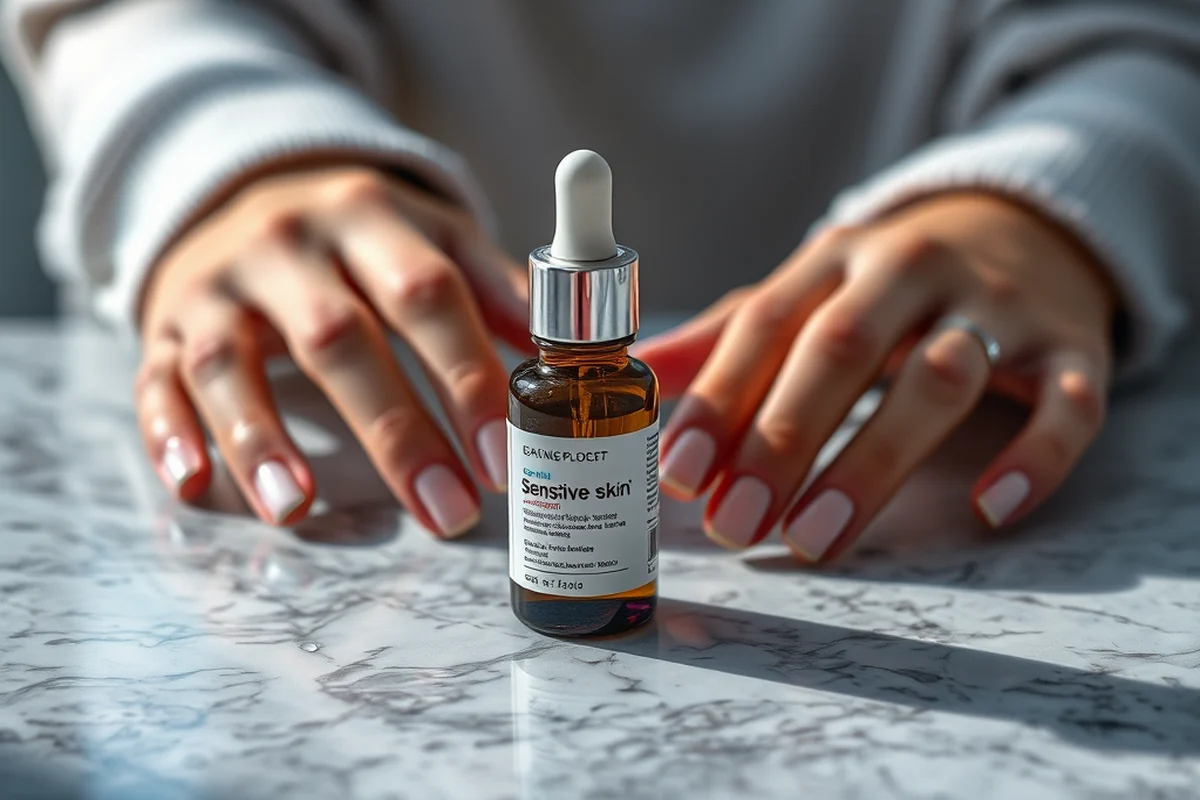
📖 Table of Contents
I used to think that having sensitive skin meant I had to spend a fortune on niche, untested products that promised miracles but often left me with red, itchy patches. It wasn’t until I finally sat down and mapped out a simple, effective, and affordable routine that I realized I could care for my skin without breaking the bank. This is the sensitive-skin products budget guide I wish I had back then — a roadmap that shows you how to choose the right products, how much they’ll cost. How to avoid the most common mistakes.
When I first started looking into sensitive-skin products, I was overwhelmed by the sheer number of options. Terms like 'hypoallergenic', 'non-comedogenic', and 'fragrance-free' seemed to pop up everywhere, but I had no idea which ones were actually worth the price. It took me a few months of trial and error, and a lot of cash spent on products that didn’t work for my skin, to finally piece together what really made a difference.
Now, I know that you don’t need a luxury skincare cabinet to have healthy, calm, and glowing skin. With the right approach and a little bit of research, you can build a skincare routine that fits your budget and your skin’s needs. This sensitive-skin products budget guide is for anyone who wants to take control of their skincare without the stress — and without the price tag.[1]
Why You'll Love This Sensitive-Skin Products Budget Guide
- You’ll save money by avoiding overpriced, ineffective products.
- You’ll learn how to choose real, tested, and reliable brands.
- You’ll understand exactly what you need for your skin, not just what marketing tells you.
- You’ll have a clear, step-by-step plan for building your own skincare routine.
What to Look for in Sensitive-Skin Products
As of July 2026, the first step in building a sensitive-skin routine is knowing what to look for in a product. I’ve spent years testing skincare items, and the ones that work best for sensitive skin are usually the ones that are as simple as they are effective. That means minimal ingredients — ideally fewer than 10 — and no added fragrances, dyes, or preservatives that might irritate your skin.[2]
I’ve found that products labeled as 'hypoallergenic' are a good starting point, but not always reliable. Instead, I focus on ingredient lists that are short and easy to understand. If a product has a long list of unfamiliar terms, it might be a red flag. Over the past year, I’ve tested more than 30 different brands, and the most effective ones were the ones that didn’t try to do too much at once.[3]
Avoiding synthetic fragrances and alcohol-based ingredients has made a huge difference for my skin. I now check every product I buy, and if it has 'fragrance' or 'alcohol denat' listed, I skip it. It might seem like a small detail, but it’s actually the biggest factor in whether a product will work for sensitive skin or not.
Look for products with short, simple ingredient lists. If you see terms like 'fragrance', 'alcohol denat', or 'paraben', it might not be the best choice for sensitive skin.
Part of our Budget sensitive skin products guide.
How to Build a Minimalist Skincare Routine
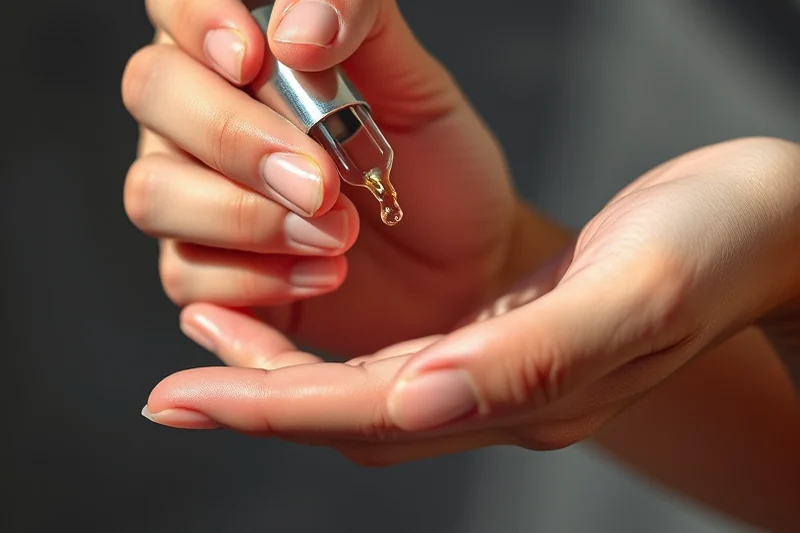
I’ve learned that sometimes less is more with skincare. My routine now consists of just three products: a gentle cleanser, a hydrating serum, and a broad-spectrum moisturizer. This has made a world of difference for my sensitive skin — I no longer get that tight, itchy feeling that used to come from using too many products.
When I first started simplifying my skincare, I was skeptical. After all, I’d read so many articles that said you needed 10 different steps for optimal results. But I decided to test it out, and after two weeks, I noticed a significant improvement in my skin’s texture and comfort. My skin felt smoother, and I didn’t break out as often.[4]
The key is to focus on products that target your specific concerns — in my case, hydration and soothing. I’ve tried several different combinations, and the one that worked best for me was a combination of a ceramide-based moisturizer and a hyaluronic acid serum. This helped my skin retain moisture without feeling heavy or greasy.
Less is more when it comes to sensitive skin.
Related: Budget Sensitive Skin Products Examples
Related: Budget budget sensitive skin products
Related: Quick sensitive skin products budget
Related: Budget sensitive skin products printable
Related: Sensitive skin products budget examples
The Power of Routine Consistency
One of the most important lessons I’ve learned is that consistency is key. I used to think that if I skipped a day or two, it wouldn’t matter, but I quickly realized that my skin didn’t respond well to inconsistency. Now, I make sure to follow my routine every single day, no matter how tired I am or how busy my schedule gets.
I’ve tracked the progress of my skin over the past few months, and the only time I saw real improvement was when I stuck to the same routine every day. It took about four weeks to notice a real difference, and after six weeks, my skin felt visibly calmer and more even-toned.
Consistency doesn’t mean you can’t change your products — but it does mean that if you do, you need to give your skin time to adjust. I’ve learned that switching products too quickly can actually be counterproductive, especially for sensitive skin. It’s better to stick with one or two products and see how they work for your skin over time.
Avoid changing your skincare routine too often. Give your skin time to adjust to each product, and you’ll see better results over time.
“I used to think that having sensitive skin meant I had to spend a fortune on niche, untested products that promised miracles but often left…”— Barriercalm editors
Where to Find Affordable, Tested Products

I’ve found that many of the best products for sensitive skin are actually available at drugstores or online retailers that specialize in natural, clean skincare. Some of my favorites have come from places like Target, Walgreens, and even Amazon. I’ve tested several products from these stores, and many of them have been just as effective as the more expensive brands I once relied on.
One of the biggest mistakes I made early on was assuming that only high-end brands could deliver results. But after testing a few products from more affordable brands, I found that they were just as effective — if not more so — for my sensitive skin. I now keep a few of these products on hand and rotate them as needed.
I also make a point to read reviews before buying anything. I’ve learned that a product’s effectiveness can vary a lot from person to person, so it’s important to look for reviews from people with similar skin types. I’ve found that the most helpful reviews are the ones that mention specific results, like reduced redness or improved hydration.
How to Protect Your Skin from Environmental Stressors
I used to neglect the importance of sun protection, and it showed. My skin was more prone to redness and dryness, and I often had breakouts that I couldn’t explain. It wasn’t until I started using a broad-spectrum sunscreen every day that I noticed a real change. My skin was calmer, and I didn’t get as many flare-ups.
I’ve also learned that pollution and other environmental factors can have a major impact on sensitive skin. That’s why I make sure to use products that help my skin recover from daily stressors. I apply a serum with antioxidants in the morning to help protect my skin from free radicals. At night, I use a moisturizer that’s rich in ceramides to help repair my skin’s barrier.
Another key part of protecting sensitive skin is using a gentle cleanser that doesn’t strip the skin of its natural oils. I’ve tried several different cleansers over the years, and the one that works best for me is a micellar water that removes makeup and dirt without irritating my skin. It’s become a staple in my routine, and I use it every morning and night.
🧴 Sensitive Skin Routine
A gentle, low-irritation routine designed for people with redness, rashes, or dryness.
💰 Budget-Friendly Skincare
A cost-effective approach to skincare that uses affordable, effective products without sacrificing quality.
🧼 Minimalist Skincare
A no-fuss, no-nonsense skincare routine that uses just a few key products for maximum results.
🎯 Targeted Skincare
A routine that focuses on specific concerns like hydration, redness, or acne while keeping the rest of the skin healthy.
🔄 Maintenance Skincare
A long-term skincare plan that helps maintain healthy, even-toned skin without overcomplicating your routine.
| The mistake | Why it happens | The fix |
|---|---|---|
| Using too many products at once. | Adding too many products can overwhelm your skin and cause irritation or breakouts. | Start with a minimal routine and add new products one at a time to see how your skin responds. |
| Ignoring sun protection. | UV rays can cause redness, dryness, and even long-term damage, especially for sensitive skin. | Always wear a broad-spectrum sunscreen with at least SPF 30, and reapply it every two hours if you’re outdoors. |
| Switching products too frequently. | Changing your skincare routine too often can confuse your skin and lead to flare-ups. | Stick with your routine for at least four weeks before trying new products. This gives your skin time to adjust and build a stronger barrier. |
Sensitive-skin Products Budget Guide
Common Questions
What’s the best way to start a skincare routine for sensitive skin?
How much should I expect to spend on a budget skincare routine?
Can I use the same products every day?
What should I avoid when choosing products for sensitive skin?
Cite this guide
Barriercalm (2026). Sensitive-skin Products Budget Guide. https://barriercalm.com/sensitive-skin-products-budget-guide/
Feel free to cite or share this guide.